Three years ago, AI in software development meant tab-autocomplete: an IDE extension predicting the next three lines of a JavaScript function. In 2026, software development looks completely unrecognizable.
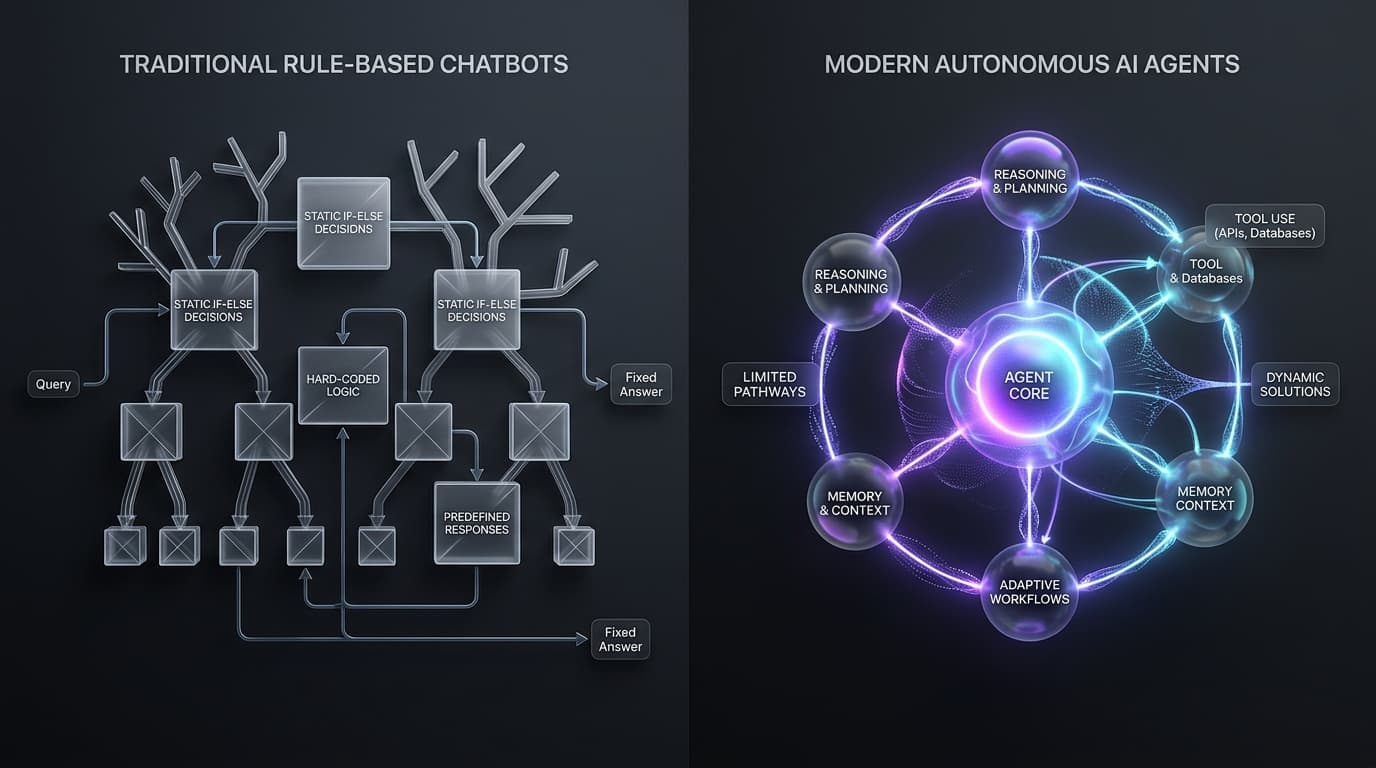
Autonomous coding agents have evolved from reactive assistants into proactive junior-to-mid-level engineers working in parallel. They ingest high-level product specifications, generate multi-file pull requests, diagnose broken end-to-end tests, refactor legacy database migrations, and even verify accessibility benchmarks across responsive viewports.
For organizations building custom web platforms, mobile apps, or enterprise MVPs, this paradigm shift is revolutionizing time-to-market and redefining the economics of custom software development.
Beyond Autocomplete: The Rise of Agentic Software Engineering
The limitation of first-generation AI coding tools was their lack of repository-level context and execution feedback. An LLM might generate a syntactically correct snippet, but it had no idea that your database used Prisma with custom PostgreSQL extensions, or that your design system had strict Tailwind token constraints.
Modern agentic workflows operate with:
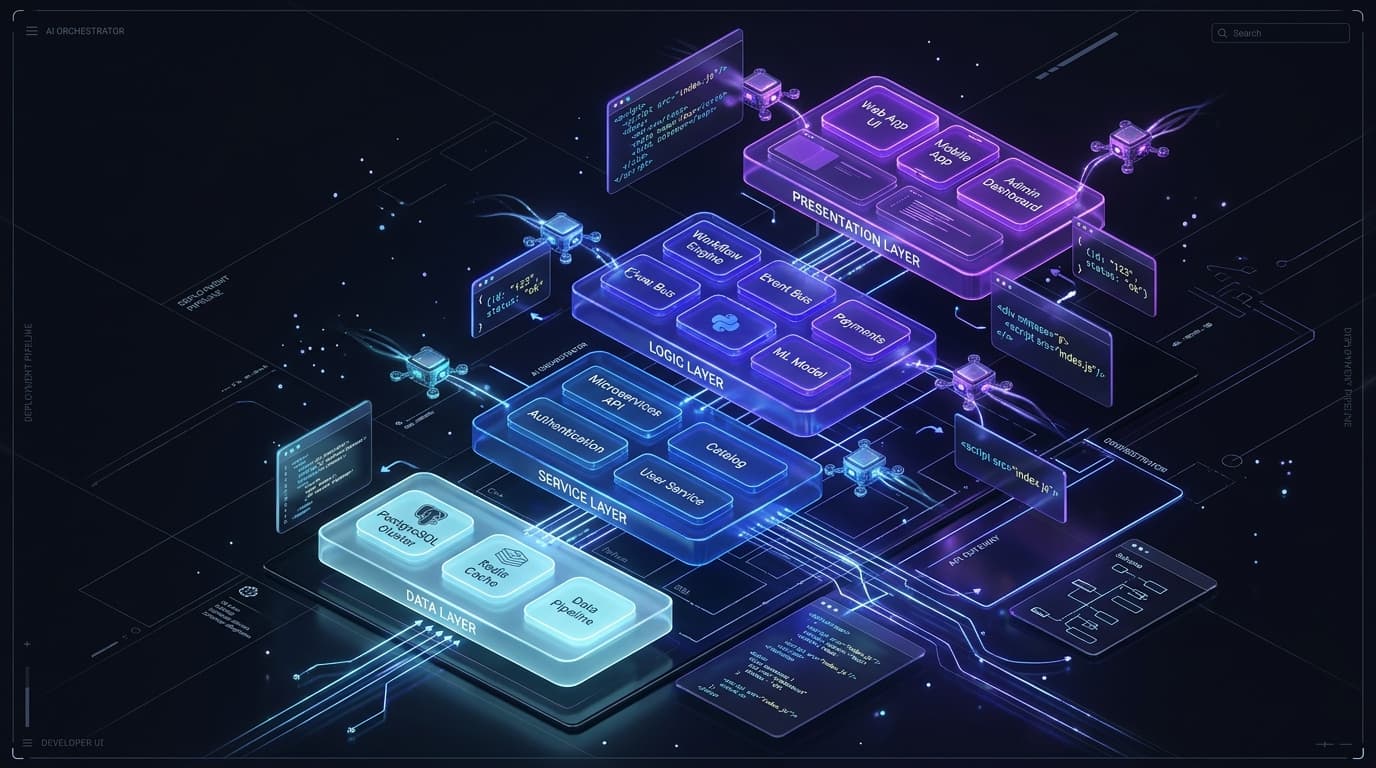
- Full Workspace Awareness: Deep semantic code indexing (AST graph parsing and vector embeddings) allowing the agent to understand cross-module dependencies, types, and utility functions.
- Execution Sandboxes: Headless environments where the agent runs
npm run build, executes test runners (Playwright, Vitest), reads terminal error stack traces, and iterates autonomously until errors reach zero.
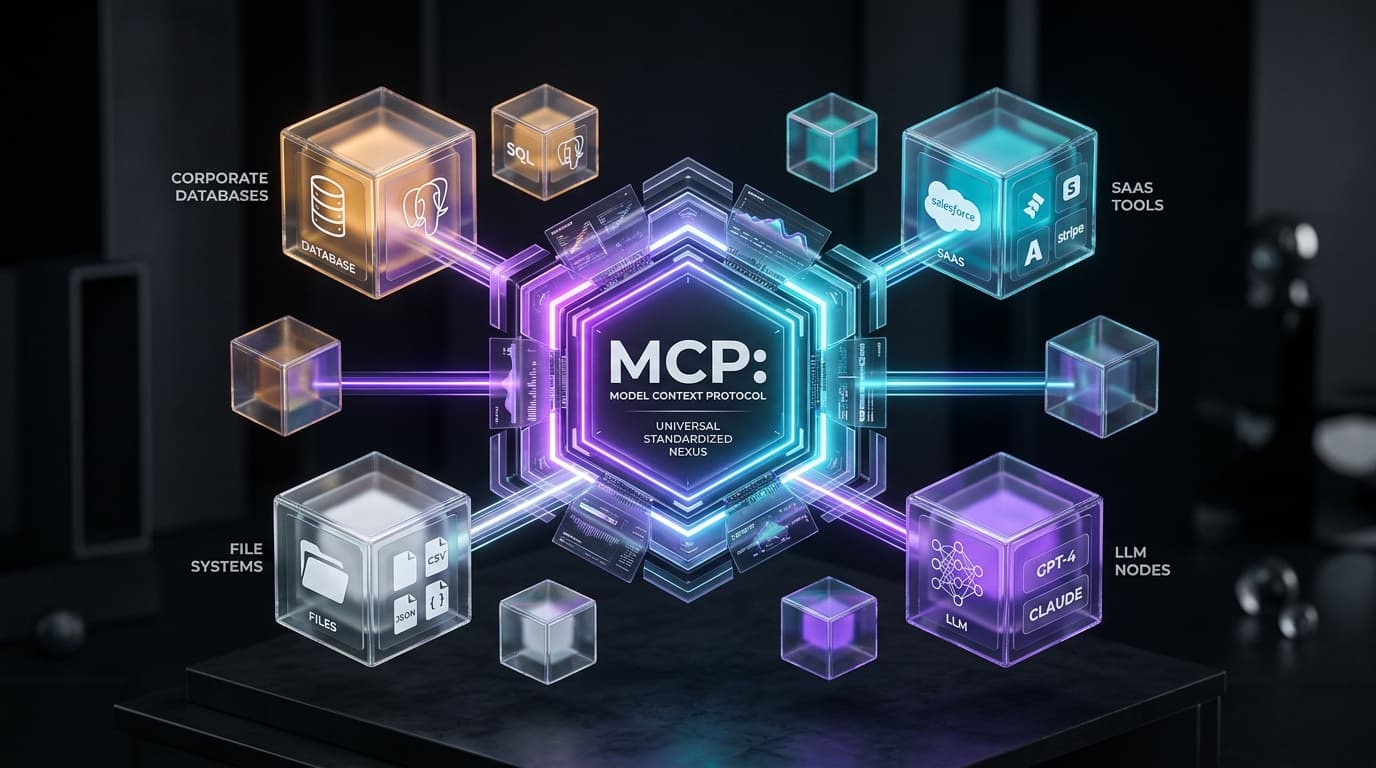
- Deterministic Tool Access: Specialized subagents that can query staging databases, inspect Figma design tokens, and verify REST/GraphQL endpoints.
The traditional Software Development Life Cycle (SDLC) followed a serial rhythm: Product Manager writes PRD → Designer makes Figma → Backend writes APIs → Frontend connects UI → QA finds bugs → Deploy.
In 2026, the timeline has compressed into a continuous feedback loop:
Phase 01
Spec & Schema Co-Design
Human engineers define the domain model and security boundaries. AI agents draft OpenAPI schemas and database migration scripts in minutes.
Phase 02
Parallel Feature Scaffolding
Agents generate boilerplate components, responsive UI layouts, and API route handlers while preserving type contracts.
Phase 03
Autonomous QA & Self-Healing
Agents write unit and integration tests, simulate user interactions via headless browsers, and self-heal failed assertions.
Phase 04
Human Verification & Audit
Senior architects focus exclusively on security, architectural elegance, performance bottlenecks, and business edge-cases.
4 Things Autonomous Coding Agents Do in Production
Here is what production-grade engineering studios like Tech Solo actually delegate to autonomous agents:
1. Automated Test Suite Generation and Regression Fixing
Writing unit tests used to account for 30% of engineering budgets. Agents now analyze newly authored business logic, generate complete edge-case test matrices (including boundary values, malformed inputs, and concurrency collisions), and ensure code coverage remains above 90% without draining human stamina.
2. Architecture-Consistent Refactoring
Migrating from an outdated state management library or updating across major framework versions (e.g., migrating Next.js Page Router code to App Router Server Actions) used to take weeks. Agents parse AST trees, execute atomic transforms across hundreds of files, and flag ambiguous logic for human inspection.
3. Self-Healing Integration Pipelines
When an external third-party API changes a response schema, an agent detects the resulting test failure, parses the updated API documentation, updates TypeScript interfaces, adjusts deserialization helpers, and submits a ready-to-merge PR with an explanation of changes.
4. Synthetic Data & Edge-Case Stress Testing
Agents populate staging environments with thousands of realistic synthetic data records adhering to relational foreign-key constraints, allowing teams to test database indexing and query latency under realistic workloads before launch day.
The New Role of Senior Engineers: From Coders to System Directors
There is a widespread misconception that AI agents turn developers into passive observers. In reality, the best engineers in 2026 function more like film directors or technical conductors.
When boilerplate code is trivial to generate, the highest-leverage skills are:
- System Architecture: Designing decoupled, resilient micro-services and event-driven backends that can scale smoothly.
- Security Threat Modeling: Identifying authorization flaws, tenant data isolation leaks, and OWASP vulnerabilities that automated tools overlook.
- Product Intuition: Crafting micro-interactions, delightful user ergonomics, and fast page loads that convert visitors into recurring customers.
Impact on Startups and Founders: 3x Velocity at Lower Risk
For startups and small businesses, the business implications are extraordinary:
60%
Shorter MVP Delivery Timelines
3x
Higher Feature Iteration Velocity
Zero
Sacrifice in Code Quality or Maintainability
Early-stage founders no longer need to fund a 10-person dev shop for 9 months just to launch an initial validation product. A lean team of senior engineers leveraging agentic pipelines can deliver enterprise-grade software in 4 to 8 weeks.
How Tech Solo Builds with Agentic Workflows
At Tech Solo, we combine senior architectural craftsmanship with cutting-edge agentic workflows. When you partner with us for web applications, mobile platforms, or custom software:
- You receive clean, human-readable code with modular architecture and zero proprietary vendor lock-in.
- Every feature undergoes rigorous manual code reviews and automated CI/CD audits.
- You benefit from agile turnaround cycles and direct communication with the engineers actually building your product.
Summary
AI agents haven't made custom software development obsolete; they've elevated it. The teams that thrive in 2026 are those that harness agentic velocity while maintaining strict standards for architectural purity, user experience, and enterprise stability.