If you are still writing every line of boilerplate code by hand in 2026, you are operating at an immense competitive disadvantage. However, the developer tooling landscape is no longer just "GitHub Copilot."
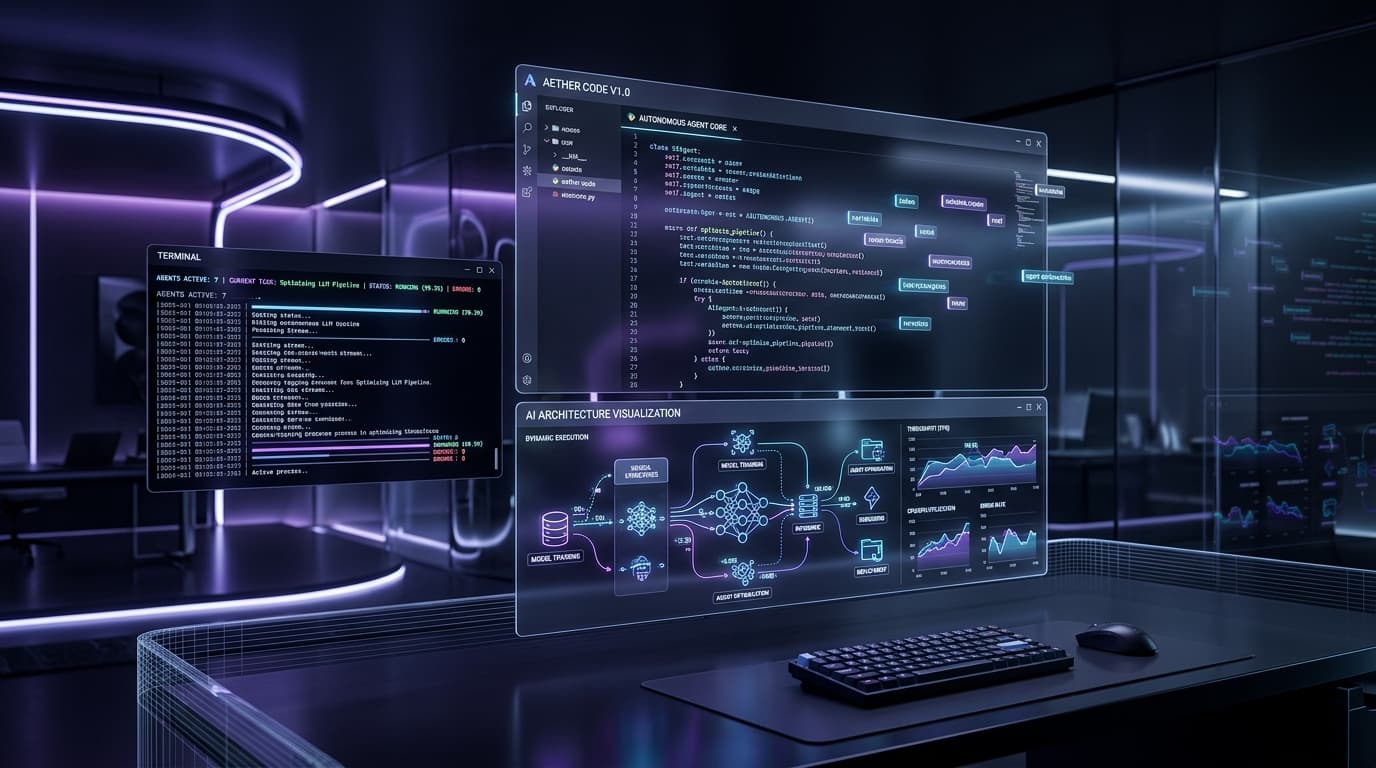
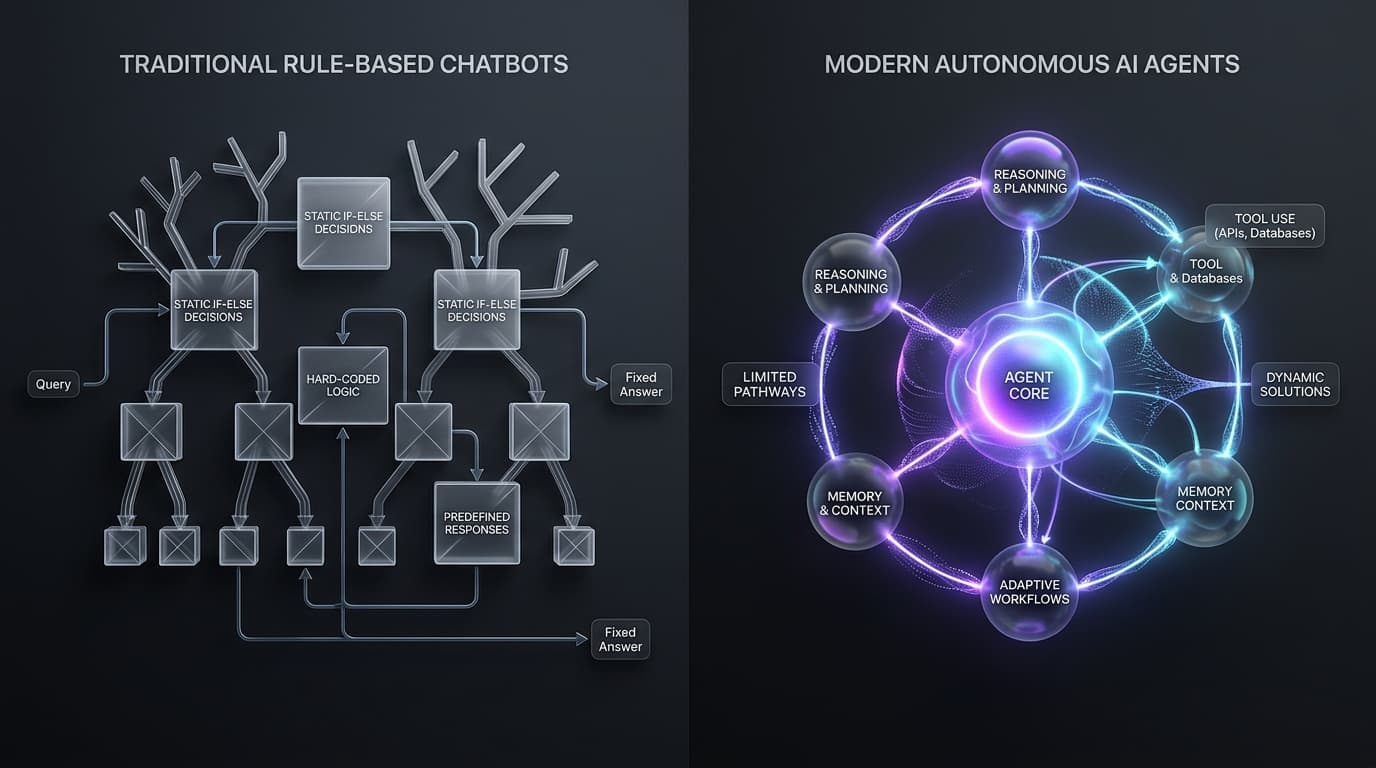
The software industry has split into two competing design philosophies: AI-native graphical IDEs (led by Cursor and Windsurf) and terminal-native autonomous agent runtimes (spearheaded by Anthropic's Claude Code and CLI agents).
For engineering leaders, founders, and developers navigating this space, here is our battle-tested technical breakdown of which tool to choose in 2026.
Two Paradigms: The Visual IDE vs The Terminal Agent
Understanding this divide clarifies how modern engineering workflows operate:
- Visual IDEs (Cursor & Windsurf): Forked VS Code environments augmented with custom language servers, multi-file speculative diffing, and inline Composer interfaces. Designed for developers who love visual ergonomics, click-to-edit, and real-time syntax checking.
- Terminal Agents (Claude Code & CLI): Headless, agentic command-line tools that run directly inside your shell. They execute git commands, run tests, read compiler errors, edit files via diff algorithms, and self-heal failed builds autonomously.
Cursor AI: The Polished Editor Benchmark
Cursor remains the gold standard for visual AI-assisted programming. Key standout features in 2026 include:
- Composer & Multi-File Generation: Command-I allows developers to modify 10+ interconnected files simultaneously with interactive visual green/red side-by-side diff previews.
- Deep Codebase Indexing: Semantic vector and AST search over your entire repository, honoring
.cursorrules files that enforce your team's coding conventions.
- Shadow Workspace Diagnostics: Cursor compiles code in an invisible background buffer to detect TypeScript errors before presenting suggestions to you.
Claude Code: The Terminal-Native Autonomous Agent
Anthropic's Claude Code represents the next evolution: moving the agent directly to where software actually compiles and runs.
- Direct Tool & Terminal Access: Claude Code runs
git status, executes npm test, grep-searches the entire file system, and loops until tests pass.
- Massive Context Synthesis: Powered by Claude 3.5 Sonnet's immense context window and architectural grasp, it excels at complex, cross-module refactors that choke traditional IDE extensions.
- Headless Automation: Can be integrated into CI/CD pipelines to autonomously review pull requests, fix lint regressions, and draft release notes.
Windsurf & Cascade: Flow-State AI Engineering
Codeium's Windsurf has gained significant enterprise market share with its proprietary Cascade engine:
- Collaborative Flow: Seamlessly alternates between interactive chat and autonomous multi-action execution without requiring the developer to switch modes.
- Supercomplete: Predictive tab completion that anticipates your next cursor jump, not just the next token on the current line.
Comprehensive Feature Comparison Matrix
| Evaluation Feature |
Cursor AI |
Claude Code |
Windsurf (Codeium) |
| Primary Interface |
Visual IDE (VS Code fork) |
Terminal / CLI agent |
Visual IDE (VS Code fork) |
| Multi-File Editing |
Exceptional (Composer) |
Direct file diff application |
High (Cascade engine) |
| Terminal Execution |
Integrated with approval |
Native autonomous execution |
Integrated terminal flow |
| Custom Team Rules |
.cursorrules |
CLAUDE.md |
Global & project rules |
| Best Suited For |
Interactive UI/Full-stack builds |
Heavy refactors, tests, CLI automation |
Developer flow & fast tab completions |
Enterprise Security: Preventing Codebase Leaks
When rolling out AI tools across enterprise development teams, security leaders must enforce strict governance:
- Zero Data Retention (ZDR): Require vendors to sign contractual commitments that enterprise source code is never cached or used to train public models.
- Automated Secret Scrubbing: Utilize pre-commit hooks to block environment keys (
.env, AWS credentials) from entering model context prompts.
- Audit Logging: Centrally log which engineers generated code using AI to maintain clear compliance records for SOC2 and ISO 27001 certifications.
The Tech Solo Setup: How We Deliver High-Speed Software
At Tech Solo, we do not choose between tools—we combine the best of both worlds into a unified engineering pipeline:
- We use Cursor and Windsurf for pixel-perfect React/Next.js frontend crafting, micro-interactions, and visual ergonomics.
- We deploy autonomous agent CLI pipelines for database migration validation, synthetic load testing, and end-to-end regression suites.
- Every pull request is vetted by senior software architects to ensure spotless code quality, security boundaries, and long-term maintainability.
Conclusion
The real winner in the 2026 AI coding race isn't a specific tool—it is the modern software engineer who knows how to orchestrate these tools seamlessly. Businesses that partner with AI-augmented engineering studios ship faster, iterate smarter, and build superior digital products.